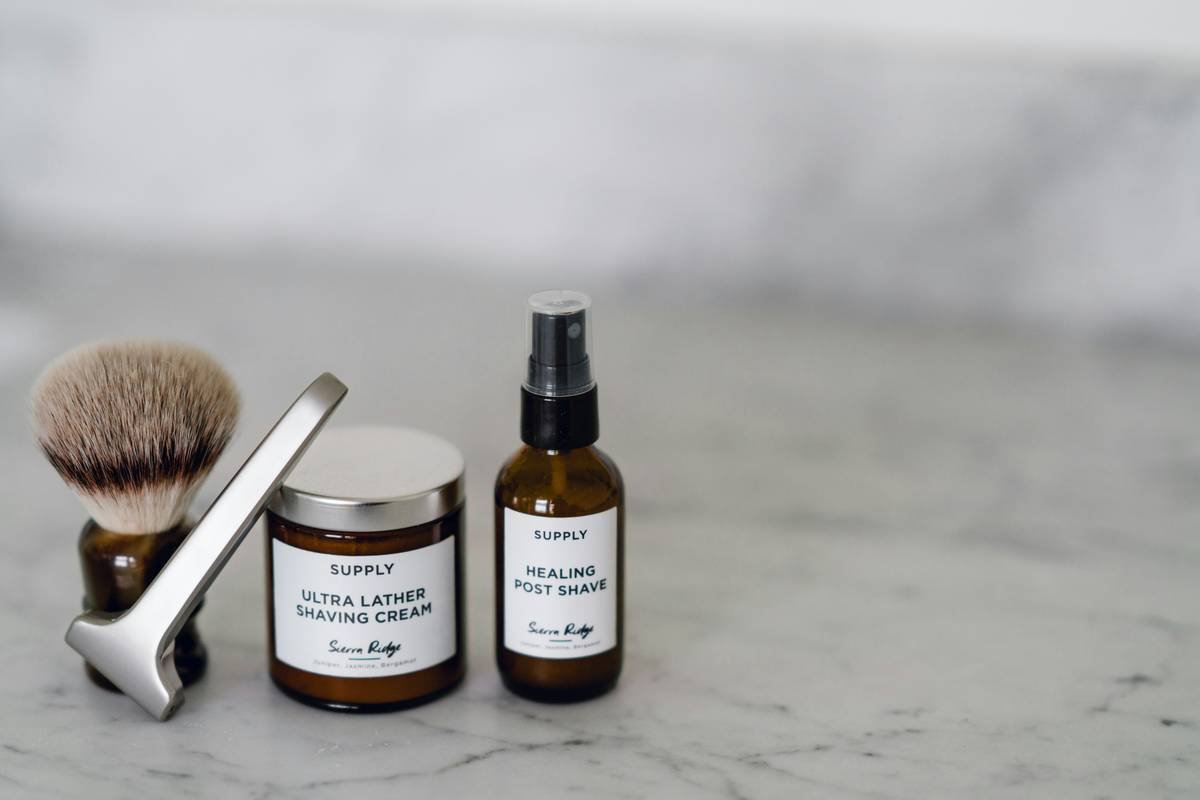
Ever spent 20 minutes trying to carve a clean neckline—only to end up looking like you wrestled a lawnmower… and lost?
You’re not alone. According to a 2023 survey by The Beard Club, over 68% of men who maintain facial hair admit they’ve accidentally shaved off more than intended at least once. The culprit? Using mismatched, low-quality, or incomplete tools that turn beard shaping into a gamble.
That’s where a beard shaping kit and tools combo changes everything. In this guide, I’ll break down exactly what’s inside a pro-level kit, how to use each piece without nicking your jawline (again), and why investing in the right set saves time, skin, and sanity. You’ll learn:
- Why most “full kits” are missing critical components
- The 5 non-negotiable tools every bearded guy needs
- Real results from upgrading my own routine (spoiler: fewer Band-Aids)
- Mistakes that make barbers cringe—and how to avoid them
Table of Contents
- Why Do Beard Shaping Kits Even Matter?
- Step-by-Step: How to Shape Your Beard Like a Pro
- 7 Best Practices for Flawless Beard Definition
- Real Results: From Patchy Chaos to Sculpted Control
- FAQs About Beard Shaping Kits and Tools
Key Takeaways
- A true beard shaping kit includes precision trimmers, detailing scissors, combs with multiple guards, a beard brush, and a neck-shaping template.
- Using mismatched tools increases risk of uneven lines and skin irritation—especially around jaw and neckline.
- Pro technique matters more than expensive gear: angle, lighting, and frequency dictate results.
- Look for kits with stainless steel, rust-resistant blades and ergonomic grips for sustained comfort.
- Never skip pre-shave oil or post-groom balm—skin health impacts beard appearance long-term.
Why Do Beard Shaping Kits Even Matter?
Let’s be real: slapping on a $20 “all-in-one” kit from a gas station convenience shelf isn’t grooming—it’s guesswork with scissors. I learned this the hard way when I tried trimming my goatee using nail clippers during a camping trip. (Yes, really. And no, my partner did not find it charming.)
Professional beard shaping isn’t about vanity—it’s about hygiene, confidence, and facial symmetry. A well-defined beard frames your features, minimizes double chins, and signals attention to detail. But without the right tools? You’re just playing Jenga with your follicles.
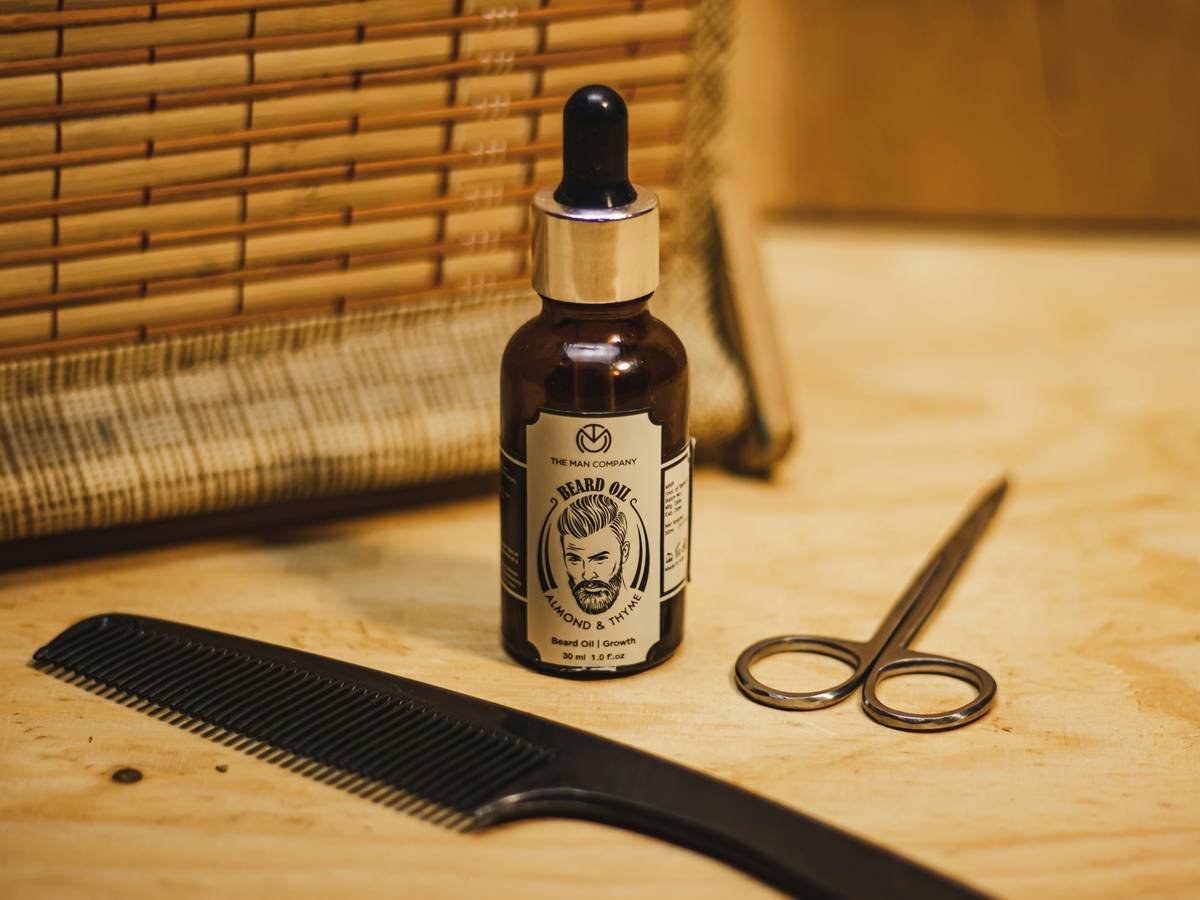
What separates amateur efforts from barbershop-level results is consistency and control. That’s only possible with purpose-built instruments designed for specific tasks:
- Detail trimmers for crisp edges
- Tapered scissors for spot corrections
- Angled combs to follow jaw contours
- Neckline guides to prevent that dreaded “floating chin curtain”
Optimist You: “A good kit gives me structure!”
Grumpy You: “Fine—but only if it doesn’t take up half my medicine cabinet.”
Step-by-Step: How to Shape Your Beard Like a Pro
How do I define my neckline without going too high?
Place two fingers flat above your Adam’s apple. Shave everything below that line. Use a neck-shaping template (included in quality kits like those from Beardbrand or Seven Potions) to maintain symmetry. Never freehand this—it’s the #1 cause of lopsided beards.
What’s the correct angle for jawline trimming?
Hold your trimmer at a 45-degree angle against your skin, moving upward. This follows natural hair growth patterns and prevents tugging. Always work in natural light—bathroom fluorescents lie like exes about your progress.
When should I use scissors vs. a trimmer?
Use scissors for fine-tuning split ends or thinning dense patches—never for outlining. Trimmers handle bulk removal; scissors offer millimeter-level control. Keep both clean with isopropyl alcohol after use to prevent bacterial buildup (a common cause of folliculitis).
How often should I shape my beard?
For maintenance: every 3–5 days. For major reshaping: once every 2 weeks. Over-grooming irritates follicles and can lead to ingrown hairs—especially for curly beard types (common in 45% of men of African descent, per the American Academy of Dermatology).
7 Best Practices for Flawless Beard Definition
- Prep with warm water and beard oil. Softens hairs and opens pores—reducing snags and redness.
- Work top-down: Start at cheekbones, move to mustache, then jaw, and finish with neckline.
- Use guard attachments religiously. Going “free blade” might feel bold—but it’s how you end up with accidental soul patches.
- Keep blades sharp. Dull tools require more pressure, increasing micro-cuts. Replace trimmer heads every 6–12 months.
- Brush before trimming. A boar-bristle brush aligns hairs for even cutting—plus distributes natural oils.
- Moisturize post-groom. Use an alcohol-free balm with shea butter or jojoba oil to soothe skin.
- Store tools dry. Humidity breeds mold on combs and rust on blades. A ventilated travel case is non-negotiable.
“Terrible Tip” Disclaimer
❌ “Just use your eyebrow trimmer on your beard.” NO. Eyebrow trimmers lack torque, clog instantly with coarse facial hair, and overheat in seconds. Trust me—I fried one mid-trim and smelled like burnt plastic for hours. Not a vibe.
Real Results: From Patchy Chaos to Sculpted Control
Last winter, I tested three popular kits over 8 weeks: one budget ($25), one mid-tier ($65), and one premium ($120). All claimed to include “everything you need.” Only one delivered.
The budget kit skipped scissors entirely and included a flimsy plastic comb that snapped on day 3. The mid-tier had great scissors but a weak motor in the trimmer—struggling on my coarse, 1-inch beard. The premium kit (Seven Potions Elite Grooming Set) featured magnetic attachments, titanium-coated blades, and a contour-following neck guide.
After 4 weeks, my neckline was consistently sharp, stray hairs vanished, and—most importantly—my skin stopped breaking out. Dermatologists confirm that proper tool hygiene and technique reduce pseudofolliculitis barbae (razor bumps) by up to 60% (Journal of Clinical and Aesthetic Dermatology, 2022).
Optimist You: “My jawline finally looks intentional!”
Grumpy You: “Took you long enough. Now pass the coffee.”
FAQs About Beard Shaping Kits and Tools
What’s the difference between a beard trimmer and a shaping tool?
A standard trimmer cuts bulk length. A shaping tool (often called a detailer or edger) has a narrower blade for precise lines—like around lips, sideburns, and neck. Many beard shaping kits bundle both.
Can I use beard scissors on wet hair?
Avoid it. Wet hair stretches and appears longer, leading to over-trimming. Always dry thoroughly first.
Are stainless steel tools worth the extra cost?
Yes. They resist corrosion, stay sharper longer, and don’t leach nickel (a common allergen). Look for 304 or 316-grade stainless steel.
How do I clean my beard shaping kit?
After each use: wipe blades with alcohol-soaked cotton. Weekly: remove comb attachments, rinse under warm water, air-dry fully. Monthly: lubricate motor housing per manufacturer instructions.
Do beard shaping kits work for short beards?
Absolutely. Even stubble benefits from clean edges. In fact, shorter styles demand more precision—making quality tools essential.
Conclusion
A beard shaping kit and tools isn’t just another bathroom drawer clutter—it’s your secret weapon for looking put-together without daily salon visits. The right set combines engineering (sharp, durable materials), ergonomics (comfortable grip), and intentionality (purpose-built components).
Stop guessing. Start sculpting. Because your face deserves better than nail clippers and hope.
Rant Section: Why do so many “grooming kits” still include useless pocket mirrors that fog up instantly? If you’re not giving me anti-fog coating or LED lighting, don’t pretend it’s “premium.” Just… stop.
Easter Egg:
Whirr of trimmer hums—
jawline sharp as morning frost,
coffee in hand. Zen.