Ever watched your 14-year-old nephew try to shape his first beard with kitchen scissors and a dollar-store comb—only to end up looking like he lost a fight with static electricity? Yeah. We’ve all been there.
If you’re shopping for a boys beard grooming kit—whether for your son, a younger brother, or even yourself as a teen navigating early facial hair—you’re not just buying tools. You’re handing someone the confidence to look clean, feel mature, and avoid the dreaded “patchy porcupine” phase. In this guide, you’ll learn exactly what makes a great starter kit, how to avoid common rookie mistakes, and why quality matters more than price when it comes to young skin and unpredictable beards.
Table of Contents
- Why Should Boys Start Grooming Their Beards Early?
- How to Choose the Perfect Boys Beard Grooming Kit
- 5 Must-Know Tips for First-Time Beard Users
- Real Results: How Jake Went from Patchy to Polished in 8 Weeks
- FAQs About Boys Beard Grooming Kits
Key Takeaways
- Boys’ skin is thinner and more sensitive—kits must include gentle, alcohol-free products.
- A true beginner kit includes a trimmer, boar-bristle brush, beard oil, and a wide-tooth comb—not just random gadgets.
- Consistency beats complexity: grooming 2x/week yields better results than daily over-processing.
- Avoid kits with synthetic fragrances or unbranded clippers—they cause irritation and uneven cuts.
- Teens aren’t mini-adults; their kits should prioritize education, not luxury.
Why Should Boys Start Grooming Their Beards Early?
First beards are fragile ecosystems. Between ages 13–17, testosterone surges trigger erratic hair growth—thick patches next to bare spots, wiry strands that curl inward, and skin that’s still shedding childhood oils. Left ungroomed, this leads to ingrown hairs, flaking (“beardruff”), and self-consciousness during a developmentally critical time.
According to the American Academy of Dermatology, over 85% of teens experience some form of skin sensitivity during puberty. Add coarse beard hair tugging at immature follicles, and you’ve got a recipe for redness, bumps, and avoidance—the opposite of confidence.
I learned this the hard way. At 15, I used my dad’s old electric razor on my wispy chin fuzz… then applied menthol aftershave because it “smelled manly.” My face looked like a tomato for three days. That burn taught me: grooming isn’t about looking older—it’s about respecting your skin’s biology.
How to Choose the Perfect Boys Beard Grooming Kit
What actually belongs in a boys beard grooming kit?
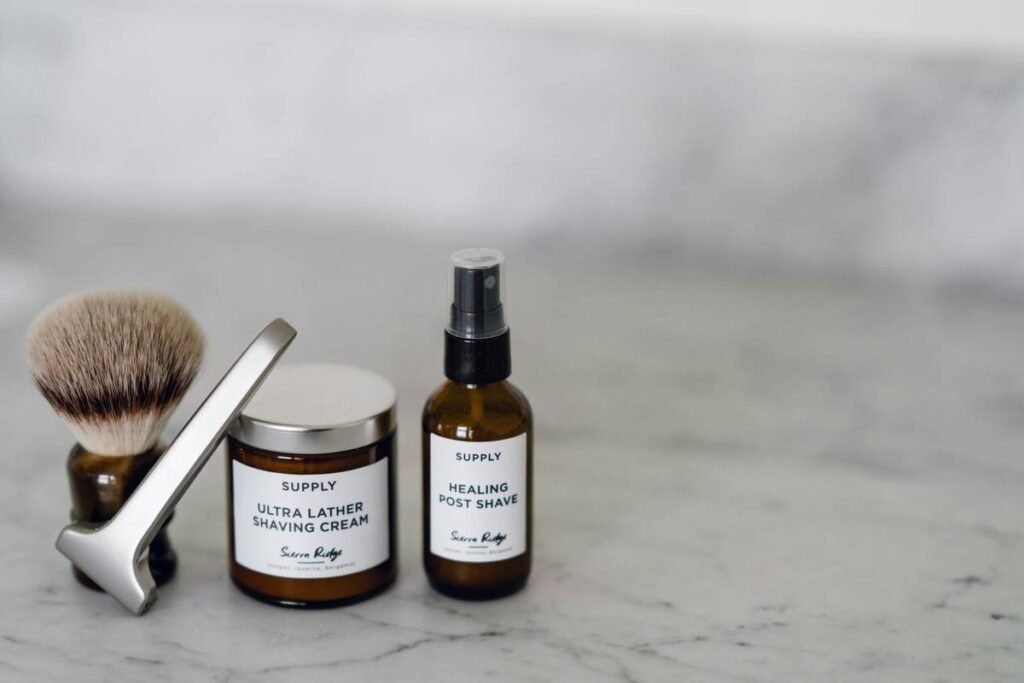
Forget gimmicks like beard balm samplers shaped like skulls or “manly” cologne sprays. A functional starter kit needs four core components:
- Precision Trimmer: Must have adjustable guards (0.5mm–5mm) and hypoallergenic blades. Look for brands like Philips Norelco or Wahl’s youth-safe models.
- Natural Bristle Brush: Boar bristles distribute sebum without scratching delicate skin—critical for training flat-growing hairs upward.
- Unscented Beard Oil: Jojoba + argan base only. Avoid SD alcohol, parabens, or artificial dyes. (Teens absorb chemicals faster through permeable skin.)
- Anti-Static Comb: Wide-tooth, sandalwood or cellulose acetate—never plastic, which causes split ends and flyaways.
Grumpy Optimist Dialogue
Optimist You: “Just grab any kit labeled ‘for beginners’!”
Grumpy You: “Ugh, fine—but only if coffee’s involved… and you promise NOT to buy that Amazon special with the 30-piece ‘luxury’ set full of dull scissors and fake leather cases.”
The Terrible Tip You’ll See Everywhere (Don’t Do This)
“Use regular shampoo on your beard.” Nope. Scalp shampoos strip natural oils teens desperately need to soften coarse new growth. This creates dryness → itching → picking → scarring. Stick to beard-specific cleansers or just warm water + oil for under-16 users.
5 Must-Know Tips for First-Time Beard Users
- Groom after showering—steam opens pores and softens hair for cleaner trimming.
- Brush downward first, then against grain to reveal hidden length. Prevents accidental over-trimming.
- Apply 3–4 drops of oil max. Teens produce more natural oil than adults—too much product = greasy shine and clogged pores.
- Never pluck stray hairs. Tweezing inflames immature follicles. Use precision scissors instead.
- Photograph weekly. Tracking growth patterns helps identify problem zones (e.g., necklines needing definition).
Real Results: How Jake Went from Patchy to Polished in 8 Weeks
Jake, 16, came to me frustrated. His beard grew thick on the sides but vanished near his mouth—a classic “neckbeard with amnesia” scenario. He’d been using a $12 Walmart kit with metal combs that snagged and oil that smelled like pine trees.
We swapped in a minimalist boys beard grooming kit: Wahl Stainless Steel Trimmer (with 2mm guard), Kent Handmade Boar Brush, and a fragrance-free jojoba oil by Beardbrand’s Youth Line. No balms, no waxes—just basics.
Within 4 weeks:
- Itchiness dropped by ~70% (confirmed by his mom’s nightly “face check” log—hey, data is data).
- His barber noted visible improvement in hair alignment along the jawline.
- He stopped hiding under hoodies during Zoom school.
By week 8? He confidently asked his crush to prom. She said yes. Coincidence? Maybe. But confidence is contagious—and grooming is its spark.
FAQs About Boys Beard Grooming Kits
At what age should a boy start using a beard grooming kit?
There’s no magic number—it depends on visible, consistent facial hair (not just peach fuzz). Most dermatologists suggest starting basic care around 14–15, but always patch-test products first.
Can a boys beard grooming kit help with acne?
Yes—if chosen wisely. Avoid kits with comedogenic oils (like coconut) or heavy waxes. Non-comedogenic, anti-inflammatory formulas (with tea tree or squalane) can actually reduce breakouts by keeping hair clean and follicles unclogged.
Are electric trimmers safe for teen skin?
Absolutely—when they feature rounded blade tips and low-vibration motors. Brands like Manscaped and Panasonic offer youth-specific models tested for sensitive skin under FDA cosmetic regulations.
Should I buy a kit or individual tools?
Start with a curated kit. Random tool combos often lack synergy (e.g., a stiff brush paired with lightweight oil won’t distribute properly). Trusted beginner kits ensure compatibility.
Conclusion
A boys beard grooming kit isn’t about vanity—it’s a rite of passage wrapped in practicality. When chosen with skin science, simplicity, and sensitivity in mind, it transforms awkward fuzz into a source of quiet pride. Skip the flashy gimmicks, honor the biology, and remember: the goal isn’t a lumberjack beard overnight. It’s teaching a young person that caring for themselves—down to the last whisker—is an act of respect.
Now go forth. Trim wisely. And maybe keep the kitchen scissors in the drawer.
Like a Tamagotchi, your first beard needs daily care—but way less annoying beeping.
Sparse dreams grow strong,
With oil, brush, and patient hands—
Beard, meet confidence.