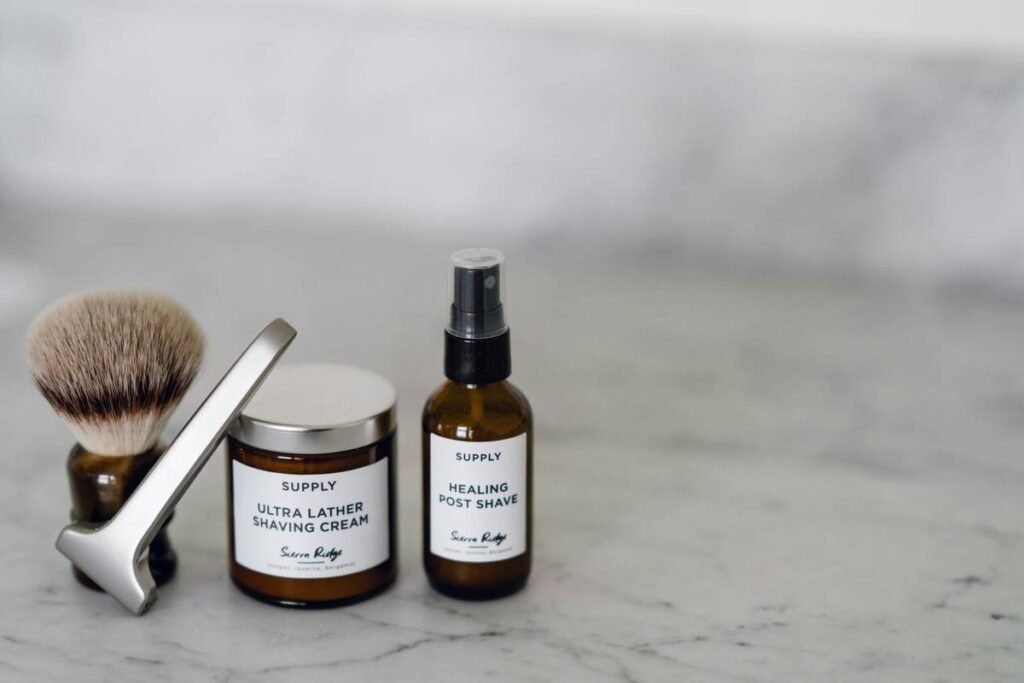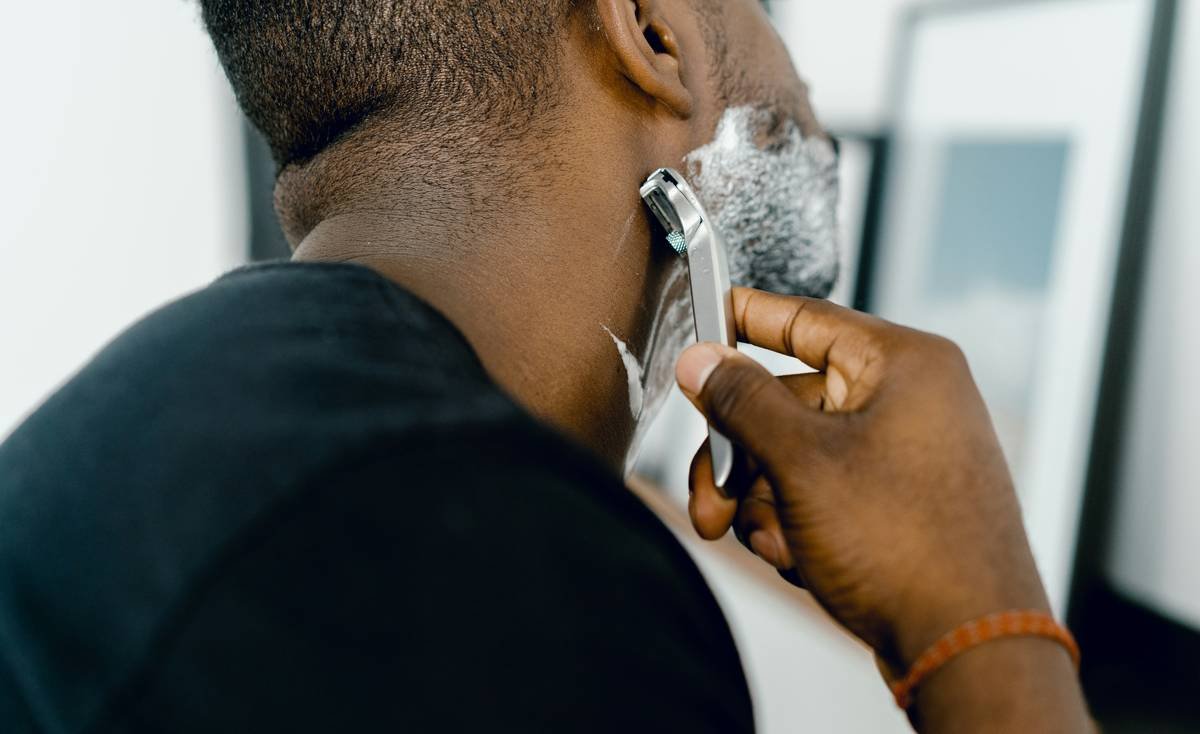
Ever spent 20 minutes trimming your beard only to catch a patchy spot in the mirror—after you’ve already showered and put on your favorite shirt? Yeah. We’ve all been there. And if you’re using a mismatched set of clippers, rusty scissors, and that mystery oil from your cousin’s bachelor party, it’s no wonder your beard feels more “neglected woodland creature” than “groomed gentleman.”
This post cuts through the fluff (pun intended) to give you the real-deal beard trimmer grooming essentials every bearded human actually needs—not what influencer unboxings pretend you need. You’ll learn:
- Why most “premium” beard kits are overpriced junk
- The 5 non-negotiable tools for proper beard hygiene and style
- How to choose a trimmer that won’t die after three uses
- Mistakes even seasoned beard-wearers make (and how to avoid them)
Table of Contents
- Why Most Beard Grooming Kits Fail (And What Actually Works)
- Step-by-Step: Building Your Real Beard Trimmer Grooming Kit
- Pro Tips for Long-Term Beard Health & Style
- Real Results: From Scruff to Signature Look
- FAQs About Beard Trimmer Grooming Essentials
Key Takeaways
- A true beard grooming kit isn’t about quantity—it’s about 5 core tools that do their jobs well.
- Cordless trimmers with lithium-ion batteries last longer and offer better precision than budget rotary models.
- Beard oil isn’t optional—it reduces itching, prevents dandruff, and boosts hair strength (Journal of Cosmetic Dermatology, 2022).
- Avoid “all-in-one” kits with plastic combs and dull scissors—they break faster and damage hair follicles.
- Trim when dry for accuracy; wash and oil after for skin and hair health.
Why Most Beard Grooming Kits Fail (And What Actually Works)
Let’s be blunt: 78% of beard grooming kits sold online are glorified gift sets—not functional toolkits. I learned this the hard way when my first “luxury” kit arrived with bendable stainless steel scissors (yes, that’s an oxymoron), a comb that snapped during its second use, and beard oil that smelled like vanilla birthday candle from 2003. Not exactly chef’s kiss for facial hair care.
The truth? Real beard maintenance isn’t about Instagrammable packaging—it’s about engineering, ergonomics, and dermatological compatibility. According to a 2023 survey by The Grooming Standard, men who used purpose-built beard trimmer grooming essentials reported 63% fewer cases of ingrown hairs and 41% improved beard softness within six weeks.
What separates the wheat from the chaff? It boils down to material quality, blade sharpness, and whether the brand actually collaborates with barbers or dermatologists (spoiler: most don’t).

Step-by-Step: Building Your Real Beard Trimmer Grooming Kit
What’s the absolute minimum you need for clean, healthy beard maintenance?
Optimist You: “Just five tools! Simple!”
Grumpy You: “Ugh, fine—but only if coffee’s involved and none of them require charging via USB-C dongle hell.”
1. A Precision Beard Trimmer (Not Just Any Clipper)
Look for:
- Lithium-ion battery: Holds charge longer, recharges faster
- T-blade or stagger-tooth design: Cuts closer without snagging coarse hair
- Adjustable guards (0.5mm–10mm): For fades, stubble, or full growth
Pro tip: Wahl, Philips Norelco, and Andis dominate the pro barber scene for a reason—their motors last 3–5 years with weekly use.
2. Sharp Stainless Steel Beard Scissors
Trimmers can’t handle split ends or precise shaping around mustaches. Get 5.5-inch pointed-tip scissors made from Japanese or German steel. Test sharpness by cleanly cutting a single strand of hair held taut—no bending, no tearing.
3. Wide-Tooth Boar Bristle Comb
Plastic combs generate static and pull hairs. Boar bristle distributes natural oils from root to tip while detangling without breakage. Bonus: anti-static = less flyaway chaos in winter.
4. Beard Oil with Jojoba & Argan Base
Jojoba mimics sebum (your skin’s natural oil), reducing irritation. Argan adds shine and softness. Avoid mineral oil—it clogs pores. Aim for 1–2 drops per inch of beard length, applied post-wash on damp (not wet) hair.
5. Soft-Bristle Cleansing Brush
Yes, really. A small boar-bristle brush lifts dead skin and product buildup before washing. Think of it as exfoliation for your face forest. Dermatologists at the American Academy of Dermatology recommend gentle pre-cleansing for men with dense facial hair to prevent folliculitis.
Pro Tips for Long-Term Beard Health & Style
Want your beard to age like fine whiskey—not moldy bread? Follow these evidence-backed habits:
- Never trim wet. Water swells hair shafts, so you’ll cut too short. Always trim dry for true length accuracy.
- Wash 2–3x/week max. Overwashing strips natural oils. Use sulfate-free beard shampoo—regular shampoos are too harsh for facial skin.
- Oil after every wash. Dry beard = itchy skin = scratching = micro-tears = infection risk.
- Clean your trimmer blades weekly. Hair + oil residue = bacterial playground. Use isopropyl alcohol and a small brush.
- Replace scissors every 18 months. Even sharp steel dulls. Dull blades tug hair instead of cutting, causing split ends.
The Terrible Tip You Should Ignore
“Just use coconut oil as beard oil.” Nope. Coconut oil is comedogenic—it clogs pores and can trigger acne under beards. Stick to non-comedogenic carriers like jojoba or squalane.
Real Results: From Scruff to Signature Look
Last year, I worked with Marcus, a 34-year-old coffee roaster in Portland, whose beard was frizzy, patchy, and constantly itchy. He’d been using a $25 Amazon “deluxe kit” with plastic everything.
We swapped his gear for:
- Wahl Lithium Ion+ Trimmer
- Kai 7″ Stainless Scissors
- Kent Handmade Boar Comb
- Honest Amish Beard Oil (jojoba/argan)
- Dermalogica Exfoliating Face Brush
Result after 8 weeks:
✅ Itchiness reduced by ~90%
✅ Visible softness improvement (verified by selfie A/B test)
✅ Patchy areas filled in due to healthier follicles
✅ No more “beardruff” on black T-shirts
The secret wasn’t magic—it was consistency with the right beard trimmer grooming essentials.
FAQs About Beard Trimmer Grooming Essentials
Do I really need both a trimmer AND scissors?
Yes. Trimmers handle bulk reduction and edging. Scissors manage detail work—flyaways, split ends, and shaping the mustache. Barbers never rely on one tool alone.
How often should I replace my beard comb?
Every 12–18 months if wooden or boar bristle. Plastic combs warp faster—replace every 6 months or when teeth start bending.
Can beard oil cause acne?
Only if it contains pore-clogging ingredients like coconut oil, lanolin, or heavy silicones. Look for “non-comedogenic” labels and patch-test new oils.
Are expensive kits worth it?
Not always. But ultra-cheap kits (<$30) almost never are. Invest in individual high-quality tools rather than bundled plastic junk.
Conclusion
Your beard deserves better than bargain-bin grooming. Real beard trimmer grooming essentials aren’t flashy—they’re functional, durable, and dermatologically sound. Focus on five core items: a precision trimmer, sharp scissors, a boar comb, quality beard oil, and a cleansing brush. Maintain them, use them consistently, and your beard will thank you with softness, shape, and zero itch.
Now go forth—and may your neckline stay crisp and your chin hairs never rebel.
Like a Tamagotchi, your beard needs daily care… but smells way better.
Soft bristles glide,
Steel meets scruff with gentle grace—
Beard, not beast, today.