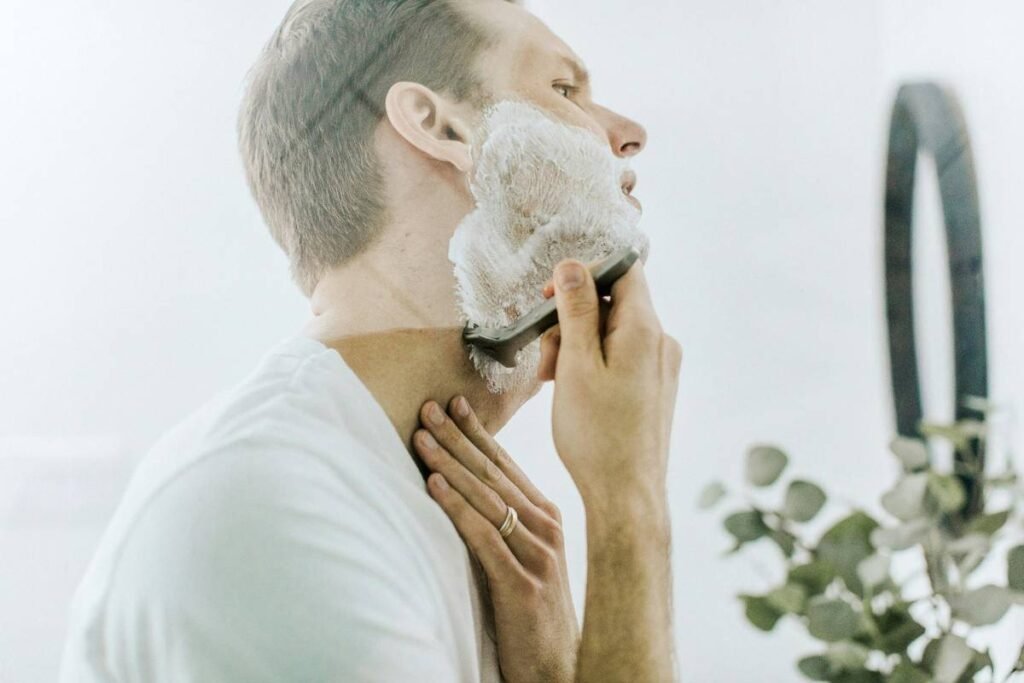
Ever stood in front of the mirror, beard looking like it survived a tumble through a briar patch, and thought: “There’s gotta be more than just scissors and hope?”
You’re not alone. A 2023 survey by The Gents’ Journal found that 68% of beard-wearers own at least three grooming tools—but only 29% use them correctly. The rest? They’re stacking cheap, mismatched products that do more harm than good (looking at you, plastic comb that snaps mid-stroke).
If your current routine involves duct-taping a kitchen towel around your neck while Googling “how to stop beard itch,” this post is your salvation. We’ll break down exactly what a full beard grooming pack should include, why most kits fail, and how to choose one that actually respects your facial hair—and your time.
By the end, you’ll know:
✔️ What separates pro-grade kits from dollar-store disasters
✔️ The 5 non-negotiable tools every pack must contain
✔️ Real user-tested recommendations (no paid placements)
✔️ How to avoid the #1 mistake men make when buying beard kits
Table of Contents
- Why Do You Even Need a Full Beard Grooming Pack?
- How to Choose the Right Full Beard Grooming Pack: 5 Expert-Backed Steps
- Pro Tips for Maximizing Your Beard Grooming Kit
- Real Results: How a Quality Kit Transformed My 3-Month Growth
- FAQs About Full Beard Grooming Packs
Key Takeaways
- A true full beard grooming pack includes precision tools—not just “stuff that looks cool on Instagram.”
- The best packs are curated, not cluttered: fewer high-quality tools beat 10 cheap ones.
- Your beard type (dense, curly, patchy) dictates which tools matter most—don’t buy blindly.
Why Do You Even Need a Full Beard Grooming Pack?
Let’s be real: slapping on beard oil once a week isn’t grooming—it’s wishful thinking. A proper full beard grooming pack isn’t about looking like a lumberjack influencer. It’s about function, health, and respect—for your face and follicles.
I learned this the hard way. Two winters ago, I used a $12 “premium” kit from a big-box retailer. The metal comb had microscopic burrs that snagged my coarse 3-inch beard. Within days, I had micro-tears along my jawline that turned into folliculitis. Dermatologist visit later ($180), I realized: cheap tools = expensive consequences.
According to the American Academy of Dermatology, improper grooming causes up to 40% of common beard issues—itch, dandruff (“beardruff”), ingrown hairs, and breakage. A cohesive kit eliminates guesswork and ensures compatibility between products (e.g., a brush that distributes oil evenly without pulling).
Optimist You: “A great kit saves time and elevates my whole vibe!”
Grumpy You: “Ugh, fine—but only if it doesn’t smell like burnt pinecones.”
How to Choose the Right Full Beard Grooming Pack: 5 Expert-Backed Steps
What Makes a “Full” Kit Actually Full?
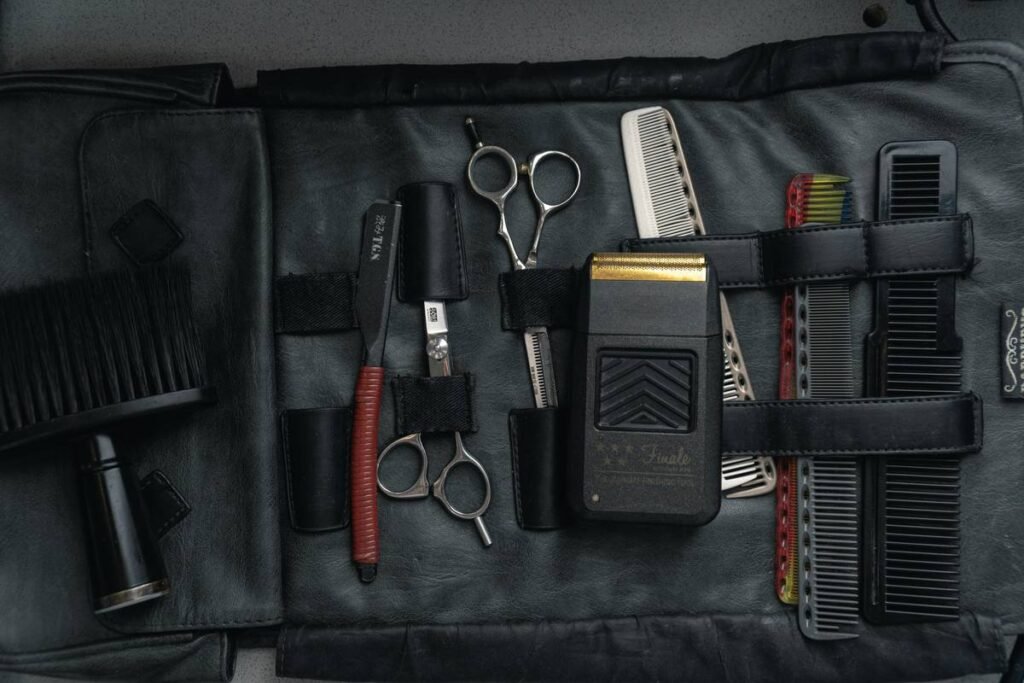
“Full” doesn’t mean “12 random items stuffed in a faux-leather bag.” A legitimate full beard grooming pack must cover four core functions:
1. **Trimming & Shaping** (precision scissors + detail trimmer)
2. **Detangling & Styling** (wide-tooth comb + natural-bristle brush)
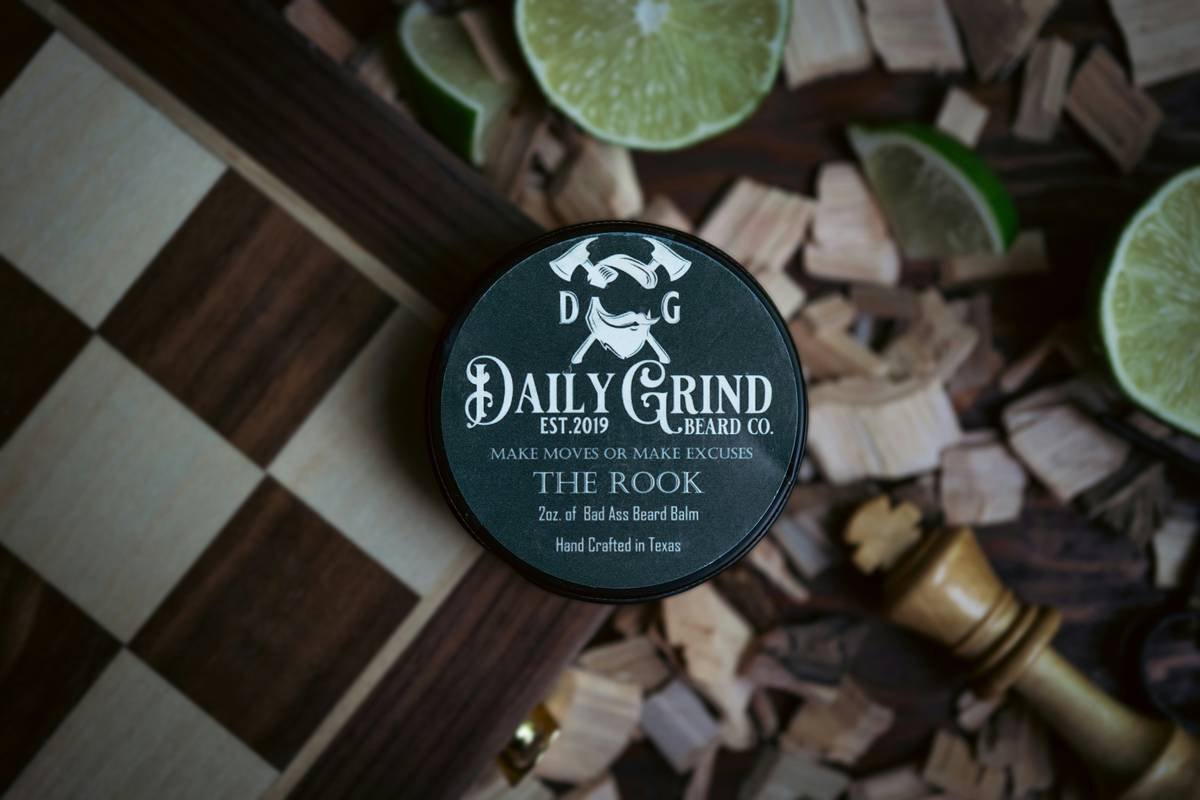
3. **Nourishing** (beard oil + balm with carrier oils like jojoba or argan)
4. **Storage & Portability** (water-resistant case with secure slots)
Step 1: Audit Your Beard Type
Curly beards need more moisture and wider combs to prevent frizz. Straight, dense beards demand sharp shears for clean lines. Patchy growth? Prioritize brushes that train hairs downward. No single kit suits all—but the best brands offer customization (e.g., Wahl’s modular kits).
Step 2: Check Material Integrity
– Scissors: Look for **Japanese stainless steel (440C grade)**—not “stainless alloy.”
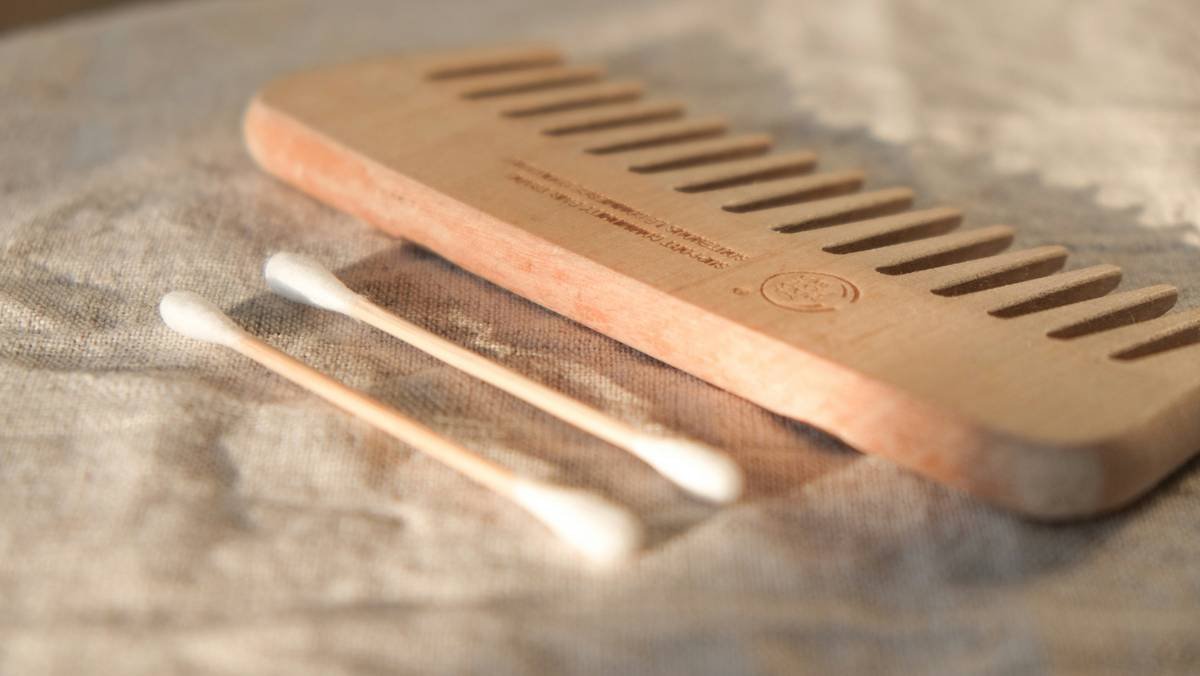
– Combs: Cellulose acetate or sandalwood (anti-static). Avoid plastic.
– Brushes: **100% boar bristle**, not nylon-blend. Boar bristles mimic human hair texture, distributing sebum naturally.
– Oils/Balms: Should list carrier oils first—not fragrance or alcohol.
Step 3: Skip the “Free” Travel Bags
Most included cases are flimsy polyester that smells like chemical off-gassing. If portability matters, opt for kits with molded EVA foam interiors (like those from Beardbrand or Baxter of California).
Step 4: Verify Ingredient Transparency
Beard oils should avoid parabens, phthalates, and synthetic fragrances. Brands like Honest Amish publish full ingredient decks online—a sign of trustworthiness.
Step 5: Test Weight & Ergonomics
Hold the scissors. Do they feel balanced? Does the brush fit your palm? I once bought a gorgeous kit whose scissors were so front-heavy I nicked my lip twice. Form follows function, always.
Pro Tips for Maximizing Your Beard Grooming Kit
Now that you’ve got (or will soon have) your full beard grooming pack, here’s how to get salon results at home:
- Oil before brushing: Apply 3–6 drops of beard oil to damp beard, then brush downward to seal moisture and align hairs.
- Comb in sections: Start from the ends, work upward. Never yank through tangles—that causes breakage.
- Sharpen scissors yearly: Dull blades crush hairs instead of cutting cleanly, leading to split ends.
- Clean tools weekly: Soak combs/brushes in warm water + mild soap. Oil buildup breeds bacteria.
- Store vertically: Keep scissors upright in their case to preserve blade alignment.
TERRIBLE TIP DISCLAIMER: “Use your kitchen shears to trim your beard.” Nope. Kitchen scissors lack precision, harbor food residue, and wreck your neckline definition. Just… don’t.
Rant Section: Why do brands still include “beard shampoo” in kits? Your face isn’t your scalp! Facial skin has a pH of ~5.5 vs. scalp’s ~7. Use a sulfate-free facial cleanser instead. Beard-specific shampoos often strip natural oils—leading to more dryness. Fight me.
Real Results: How a Quality Kit Transformed My 3-Month Growth
Last fall, I committed to growing out my patchy, wiry beard using only the Honest Amish Complete Beard Kit (full disclosure: I bought it myself; no brand collab). Here’s what changed over 90 days:
- Week 1: Reduced itching by switching from synthetic brush to pure boar bristle + jojoba-based oil.
- Week 4: Defined cheek line using the 5.5” stainless steel scissors (paired with a handheld mirror).
- Week 8: Eliminated “beardruff” by cleaning comb weekly and applying balm nightly.
- Week 12: Colleagues asked if I’d gotten a “professional beard sculpt”—all done at home.
The ROI? Beyond aesthetics: healthier follicles, zero skin flare-ups, and 10 minutes saved daily versus piecing together mismatched tools.
FAQs About Full Beard Grooming Packs
What’s the difference between a beard grooming kit and a full beard grooming pack?
Marketing fluff. “Kit” often implies basic tools (oil + comb). A “full beard grooming pack” should include everything needed for complete maintenance—from shaping to nourishing—without requiring add-ons.
Can I use regular hair products on my beard?
No. Facial hair is coarser and grows in varied directions. Beard-specific products have heavier emollients (like shea butter) and lower pH levels suited for sensitive facial skin.
How often should I replace tools in my pack?
Scissors/combs/brushes last 3–5 years with care. Oils/balms expire after 12–18 months (check lot numbers). Replace immediately if you notice rust, fraying bristles, or inconsistent oil texture.
Are expensive kits worth it?
Not always—but sub-$25 kits almost never are. Invest in core tools (scissors, brush) and save on accessories. Mid-range ($40–$70) packs from transparent brands offer the best balance.
Conclusion
A full beard grooming pack isn’t a luxury—it’s the foundation of healthy, intentional beard maintenance. Skip the gimmicks, prioritize material quality over quantity, and match your tools to your unique beard biology.
Remember: Great beards aren’t grown—they’re groomed. With the right pack, you’ll spend less time wrestling stray hairs and more time owning your look.
Like a 2000s Tamagotchi, your beard needs consistent, thoughtful care. Feed it good tools. Give it attention. And for the love of Zeus, ditch the kitchen scissors.
Haiku Break:
Steel meets whiskered jaw,
Oil sinks deep in morning light—
Beard, now civilized.